Why Railway Validation is Getting Harder

Railway systems are growing more complex driven by ETCS (European Train Control System) rollouts, the shift from GSM-R to FRMCS, and increasing pressure on fleet availability. At the same time, certification requirements are tightening, and traditional on-track validation is no longer sufficient or cost-effective. Manufacturers and operators need structured test environments that reduce time to certification and support long-term system performance.

Railway validation today relies on advanced testing and simulation capabilities. Model-based environments such as MIL, SIL, and HIL, automated test systems and onboard monitoring are structured approaches that go beyond isolated tools.  

Manufacturers and operators need them, and these capabilities form the foundation of Averna’s scalable validation strategies. 

One Partner, Full Lifecycle Coverage

Averna designs and delivers test systems that support every stage of the railway lifecycle. Our approach is built on a unified test strategy, so teams maintain full control at every phase.

Engineering and Validation

System-level validation from early design to integration, including MIL, SIL, and HIL environments.

Manufacturing and Production

Automated test equipment for end-of-line, functional, and electrical testing at scale.

Railway Predictive Maintenance Solutions

Onboard diagnostics, 24/7 monitoring solutions, condition-based and predictive maintenance, and workshop automation to maximize fleet availability.

Lifecycle Extension

Obsolescence management, legacy system upgrades, and compliance with evolving standards.

Key Areas of Expertise in each Railway Domain

We help you in various areas.

Infrastructure and Trackside Systems

  • Trackside equipment validation and control environment testing
  • Simulation of railway infrastructure systems and interfaces
  • Automated test systems for production and maintenance environments
  • End-of-line, functional, and electrical testing
  • Integration of hardware, software, and instrumentation

Signaling Systems

  • Safety-critical system verification and certification (ETCS / ERTMS)
  • Multi-supplier interoperability testing
  • Real-time simulation and digital twin environments
  • Virtual testing to reduce on-track validation
  • Software and hardware testing (MIL, SIL, HIL)

Rolling Stock Testing

  • Onboard systems, electronics, and power components validation
  • Power electronics and traction system testing
  • Brake system testing and validation
  • Real-time onboard monitoring and diagnostics
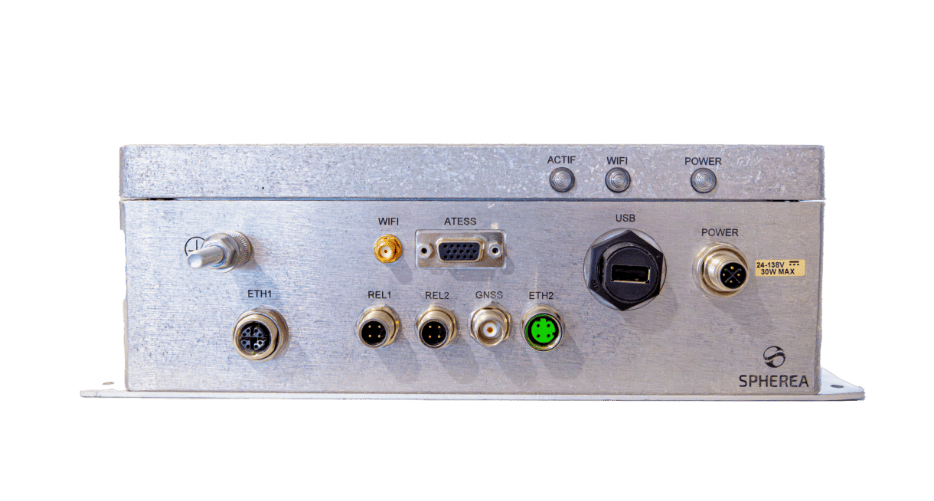
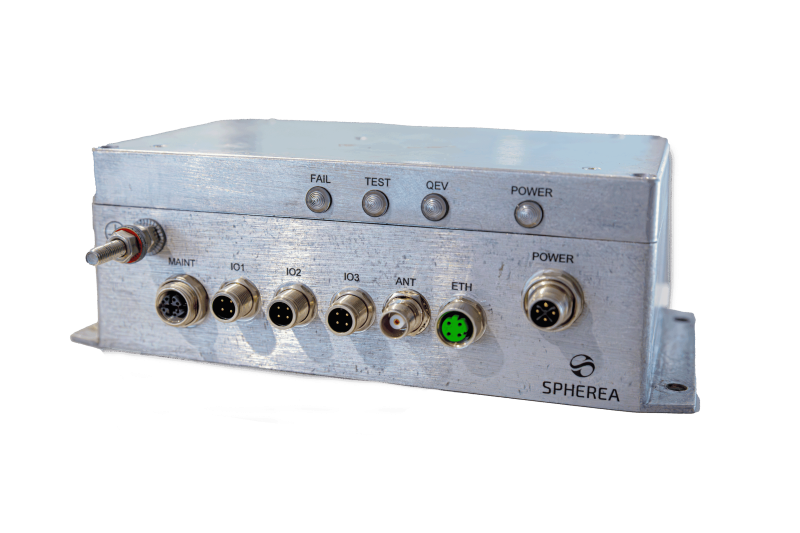
  • Data acquisition, GNSS positioning, and cybersecurity
  • Condition-based monitoring and predictive maintenance
  • Support for communication system transition (GSM-R to FRMCS)

Our Rail Test Systems

Averna develops and owns its railway test platforms, covering simulation, certification, maintenance, braking, and power monitoring.
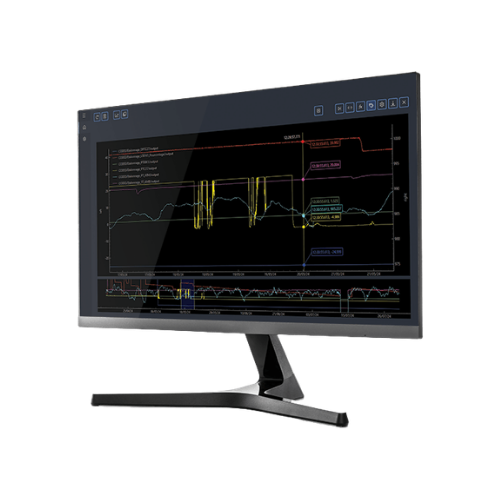
U-Test Monitor

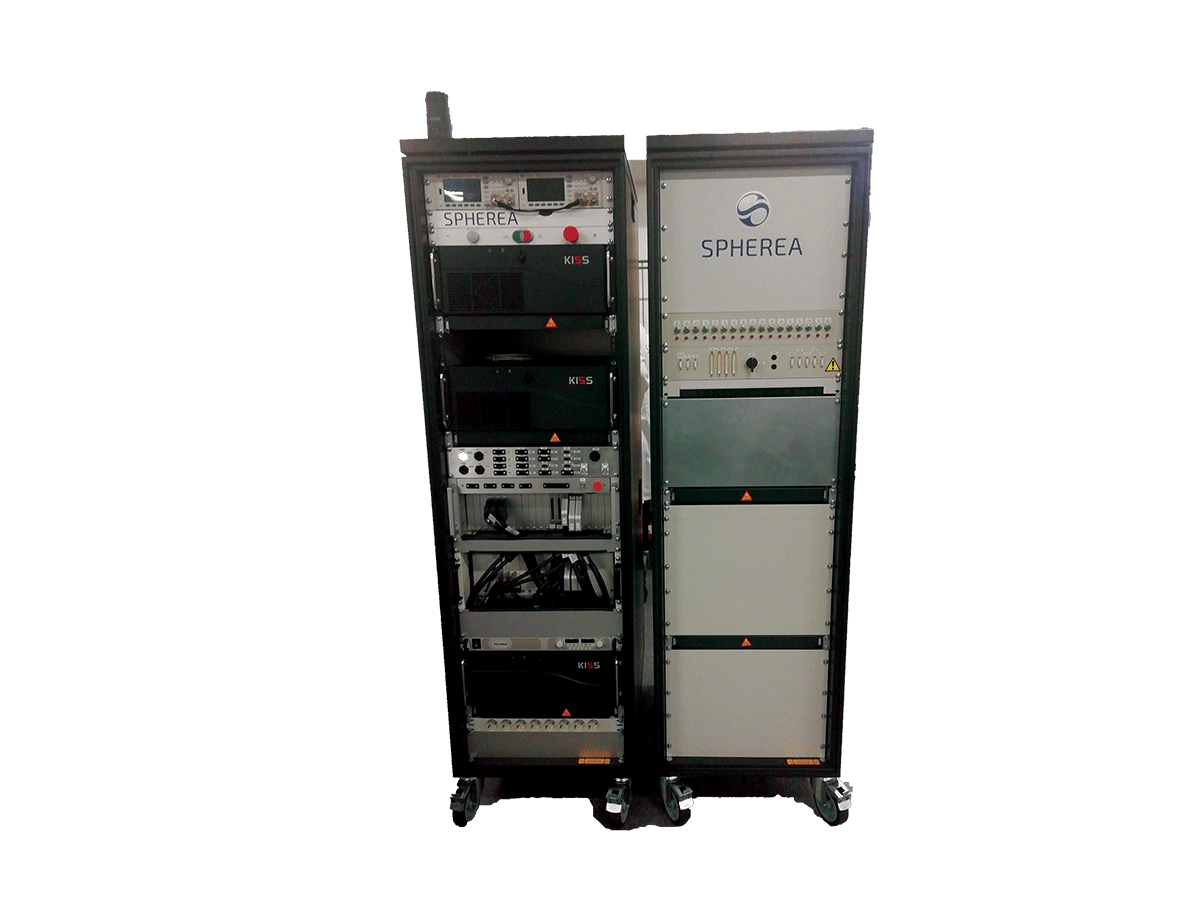
U-Test® simulation software

Real-time system validation from early modeling to full integration; accelerates development and reduces on-track test dependency.
U-Test® simulation software
Twin Train-Multibrake

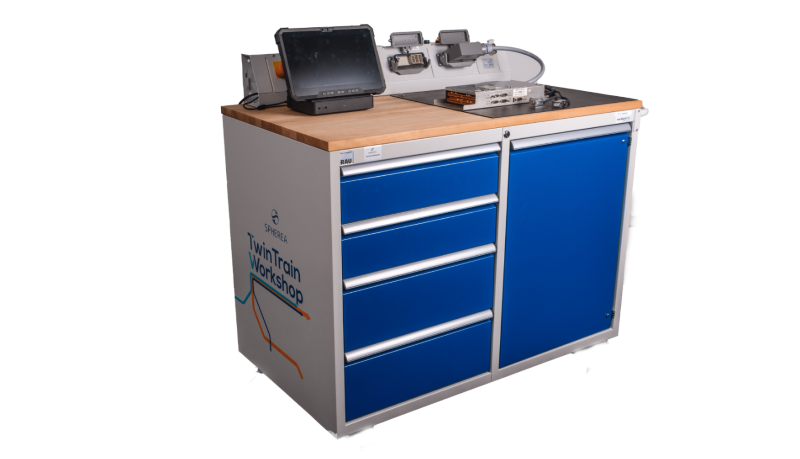
TwinTrain Family

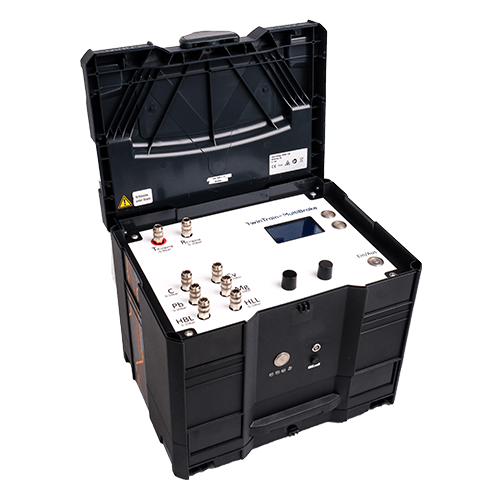
Automates maintenance testing in depots, reducing diagnostic time while improving consistency across fleet operations.
TwinTrain-MultiBrake
PQA-FLEX

PQA Analyzers

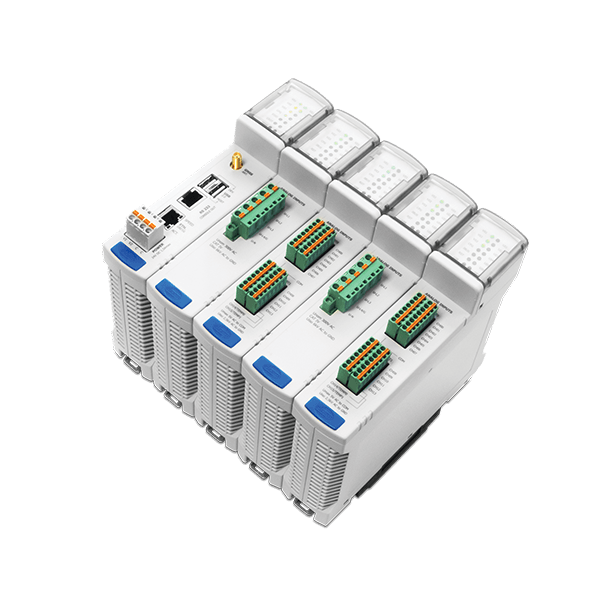
Modular power quality monitoring for railway substations, centralizes measurement across multi-voltage, multi-phase networks.
Our power quality analyzers

Every Program is Different, Tell us about Yours

Share your application requirements and we will connect you with the right railway test engineer.

Discuss your Test Requirements

Why Choose Averna for the Rail Industry

DB-deutsche-bahn-logo-red-500x350Selecting the right partner means working with teams that understand how testing and long-term operations interact in real-world environments. Averna brings this perspective through integrated test approaches designed to support performance and compliance over time.

Trusted by Major Players

Averna works with leading railway manufacturers and operators across Europe and beyond, including Deutsche Bahn , one of the largest and most demanding railway networks in the world.

Reduced NRE and Shorter Lead Times

Our early-stage validation through virtual tests reduces non-recurring engineering costs by identifying integration issues before physical testing begins and limiting the need for repeated development cycles.

Standards Expertise

Averna supports validation and certification processes in line with key railway standards, including EN 50155, EN 50121, IEC 61373, and evolving ETCS baselines. Its test environments are aligned with regulatory requirements for safety-critical systems.

Test of Power Systems

Averna develops test environments dedicated to the validation of power electronics and traction systems. These environments ensure accurate validation of power behavior under real operating conditions.

How We Approach Railway Test and Validation

Our approach combines system-level validation with long-term performance strategies. Beyond individual solutions, we design environments that reflect the operations of railway systems while ensuring continuity across their full lifecycle.

Advanced Architectures for Complex Test Environments

We develop test platforms designed to reproduce real operating conditions with high precision. These environments support model-based validation approaches, including MIL, SIL, and HIL. They enable progressive verification from early design stages to full system integration.

Each platform integrates multiple layers of validation:

  • Simulation models combined with physical components
  • Interfaces for onboard systems and trackside equipment
  • Support for railway standards such as ERTMS and ETCS
  • Integration of onboard units (OBU) within controlled environments

Our teams work across signaling, traction, and onboard electronics, ensuring consistency between subsystems. This involves managing I/O interfaces, handling digital and analog signals, and supporting railway communication protocols such as GSM-R and emerging FRMCS frameworks.

Long-Term Performance and System Evolution Strategies

Railway systems operate over long lifecycles, often requiring continuous adaptation to new constraints. We support operators and manufacturers through strategies focused on performance, compliance, and system longevity.

This includes managing obsolescence, upgrading legacy onboard units, and ensuring compatibility with evolving standards such as ETCS baselines and the transition from GSM-R to FRMCS. We also integrate cybersecurity and data integrity requirements into existing architectures to align with current operational expectations.

Through repair, analysis, and system replication, we help maintain critical functions across rolling stock fleets without full system replacement. This approach supports operational continuity while controlling long-term costs and reducing dependency on obsolete components.

Case Study

Simplifying Railway Power Monitoring at Scale

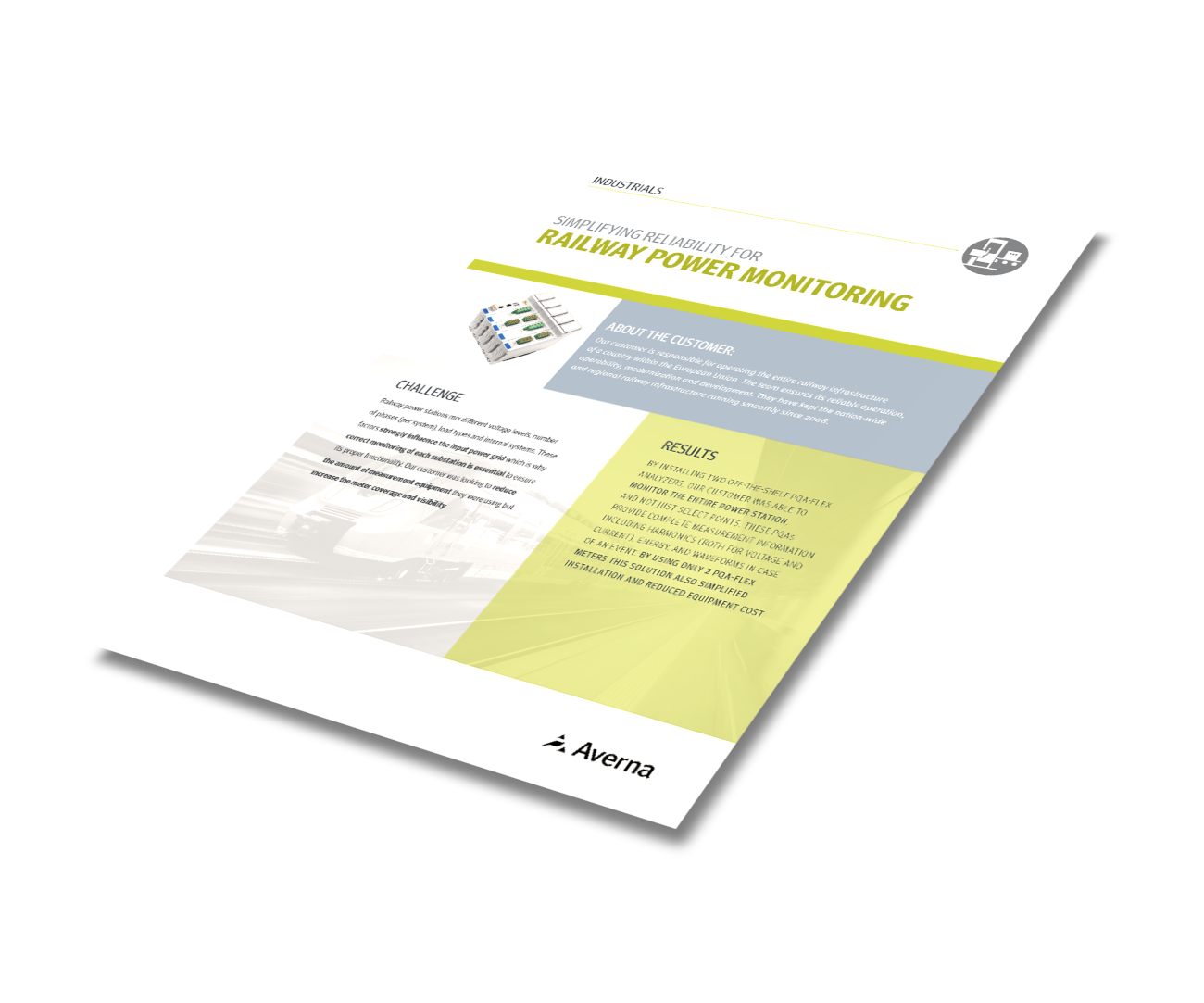
cover image of a case study about simplifying reliability for railway power monitoring
To improve visibility and reliability in complex railway substations, Averna deployed a modular power quality monitoring solution capable of capturing system-wide electrical behavior with high precision. The approach consolidates measurement points while delivering detailed, real-time insights across the entire power infrastructure.
  • System-wide monitoring across multi-voltage, multi-phase power networks
  • Modular architecture with centralized acquisition enabling broader coverage with fewer measurement devices
This approach enhances power quality visibility and simplifies infrastructure by reducing hardware complexity while improving the accuracy and depth of electrical monitoring across railway substations.
2 analyzers deployed
Up to 16 measurement systems monitored

Partner with Experts in Railway Testing

We bring decades of railway test engineering experience to every program we support.